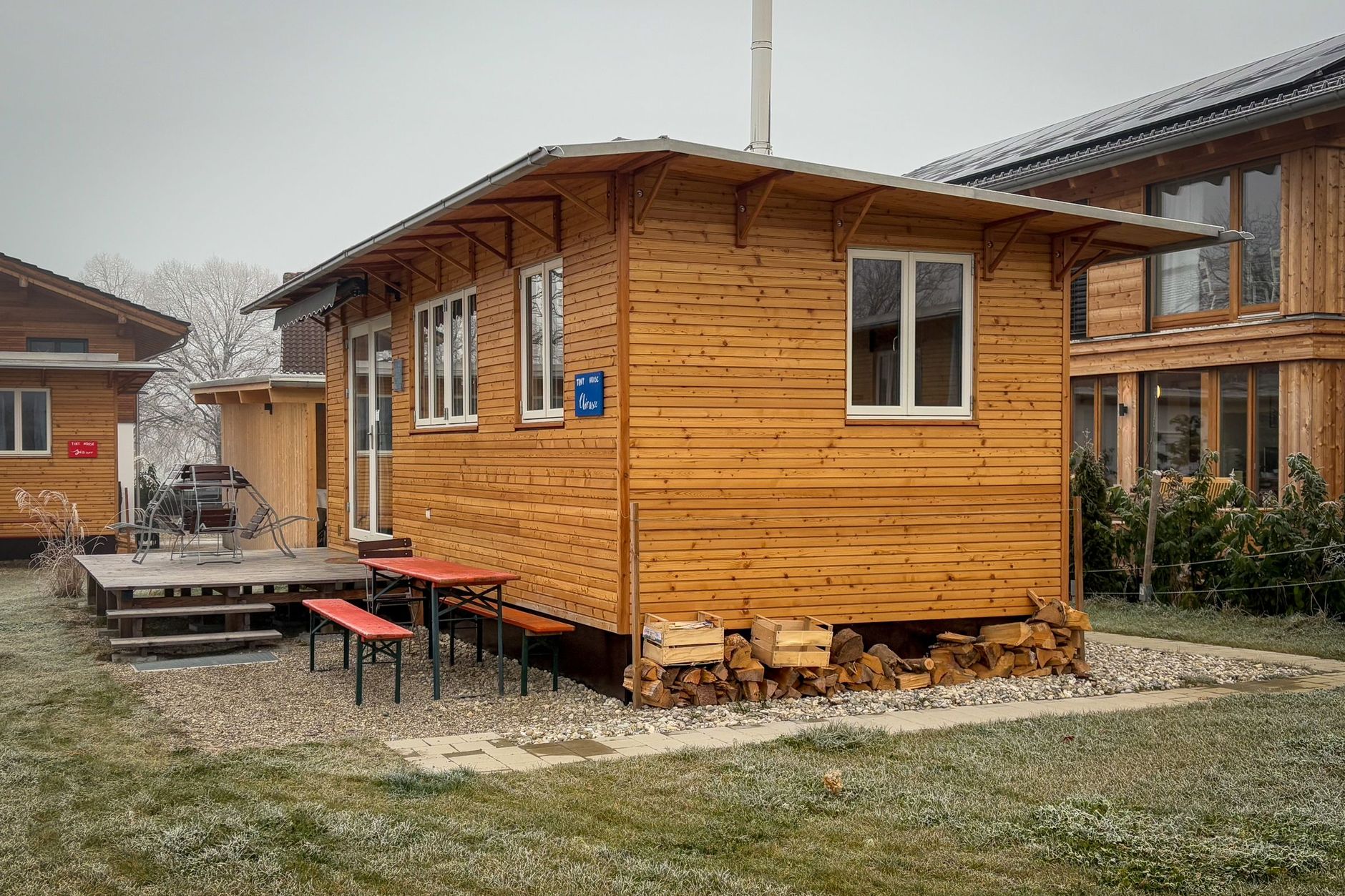
Prefab and modular builders in Bali
7 firms listed updated Before you hire: what to check
7 prefab and modular builders listed in Bali
7 of 7 firms
-
AMODA
Prefab and modular builders
Builds prefabricated modular buildings (product lines ErgaBuilds, ErgaHuts, ErgaPods) for commercial, hospitality and residential uses; says it serves all of...
-
Bali Home Designs
Prefab and modular builders
- Ubud
Designs and hand-builds prefab teak and reclaimed ironwood villas in a workshop in Ubud and ships them to the client's site; turnkey construction is offered in Costa...
-
Bali Nomad Living
Prefab and modular builders
Makes timber modular homes in three standard models (48, 72 and 96 m²) plus custom designs, for homes, hotel suites, glamping and retreats
-
Bali Prefab
Prefab and modular builders
Makes custom knock-down (prefabricated) timber houses and gazebos in merbau and bangkirai; site lists projects in Tahiti, Hawaii, Germany, India, Spain, the...
-
Caseea
Prefab and modular builders
Makes prefabricated steel-frame cabins (galvalume and galvanised steel, insulated sandwich panels) in its Bali workshop, delivers and installs them; seven standard...
-
Dunia Joglo
Prefab and modular builders
- Since 2012
Sources, restores, rebuilds, or designs and builds joglo, limasan, gladak, jineng and gazebo-style wooden houses, in Bali and abroad, and says it uses reclaimed and...
-
Exuberance Studio
Prefab and modular builders, Architects, Contractors and builders
Offers bespoke architecture, a range of prefabricated hardwood homes (seven models, 20 to 90 m²) and turnkey development with landowners
No firm matches these filters.
Before you hire what a quote should include, permits to ask for, warning signs Read 4 sources
Before you hire: buying guide for prefab and modular builders in Bali
Firms that build structures in a workshop or factory and assemble them on site, from timber joglo houses to modular cabins. A prefabricated building is still a building: it needs a PBG before it goes up and an SLF before it is used.
This is information, not legal advice. Rules are cited with the date we read them.
What they do here
A prefab or modular builder makes most of the structure off site and assembles it on the plot. In Bali this ranges from traditional timber houses (joglo and similar) built in a workshop and re-erected, to steel or timber modules and kit homes. Some firms supply only the structure; others handle foundations, services and finishing as well.
UU 2/2017 recognises prefabricated construction (“konstruksi prapabrikasi”) as a specialist construction classification (Article 14(3)), and every business that carries out construction services must hold a business certificate, the SBU (Article 30(1)). The law has since been amended by the Job Creation legislation, so ask the firm which certificates it holds today.
The building rules do not change because the parts were made elsewhere. The technical plan is submitted to the regency to obtain a PBG before construction (PP 16/2021 Article 253(1)), and the SLF, the certificate that the building is fit for use, is needed before it is used (Article 1). See building permits: PBG and SLF.
What a quote should include
- Exactly what is supplied: structure only, or structure plus roof, walls, windows, services and finishes.
- What is left to a local builder: site preparation, foundations, utility connections, drainage, pool, landscaping.
- Delivery to site, cranes or lifting, and assembly, priced separately.
- The drawings and calculations the firm will provide for the PBG application, and who signs them.
- Where the parts are made, and the payment schedule against fabrication, delivery and assembly.
- The warranty on the structure and on assembly, and who answers for defects at the joints between the prefab parts and the site works.
Permits and registrations to ask for
- SBU, and whether its classification covers the work offered. The certificate states the type, nature, classification and qualification of the business (UU 2/2017 Article 30(3)); check it in the LPJK business search (lpjk.pu.go.id).
- The firm’s NIB (business identification number), issued through OSS.
- A PBG for your building before assembly starts on site (PP 16/2021 Article 253(1)).
- The SLF before the building is used (PP 16/2021 Article 1).
Warning signs
- The firm says a prefab or “temporary” building does not need a PBG.
- Most of the price is due before fabrication starts, with no milestone for delivery and assembly.
- No drawings or structural information offered for the permit application.
- The quote is silent on foundations and services, leaving the real cost unknown.
Typical timings
We have no published sample of fabrication or assembly times in Bali yet, so we give none. Ask for the fabrication time, the delivery time and the assembly time separately. Statutory steps that affect the timetable:
- PBG technical review, for buildings other than a small single house: no more than five sessions within at most 28 working days, the first within 3 working days of registration (PP 16/2021 Article 254(8) and (9)).
- Construction may not continue past a stage until the regency has inspected it (PP 16/2021 Article 59(11)); ask how the firm plans assembly around these inspections.